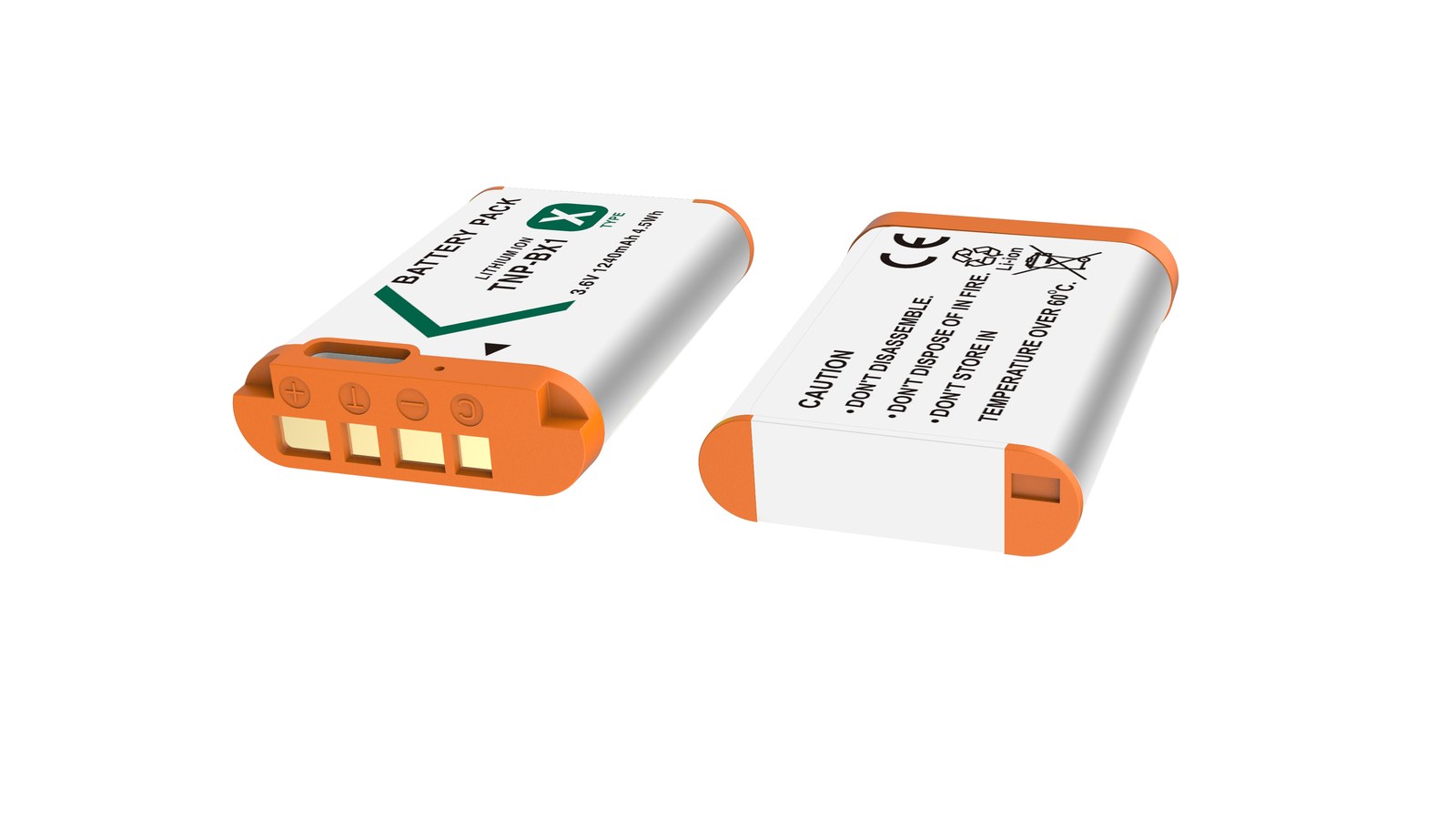
Short answer: cold weather raises the internal resistance of a lithium cell, the voltage sags while the camera focuses and records, and the body concludes the pack is empty while charge is still inside. A 4.04Wh NP-BX1 may give only sixty to seventy percent of its usual output at minus ten. Keep spares in an inside pocket, swap at the first warning, and do not stand there waiting for the pack to recover.
What actually drains in the cold
Lithium ions move slowly when cold and the electrolyte thickens, so internal resistance climbs. The camera draws a fair current for the finder, autofocus and recording, and the drop across that resistance pulls the terminal voltage under the cutoff. The body then declares the pack empty and shuts down.
The chemical energy has not gone anywhere. Put the pack back in a pocket for half an hour, reinsert it, and it will often shoot several dozen more frames. The pack did not shrink, the accessible part of it did.
The camera also draws more in the cold: a brighter screen, harder-working stabilisation, and the body’s own running overhead. Add the two effects and the gauge falls fast.
Temperature against usable capacity
The table is an experience range based on how lithium cells generally behave, not measurement data. Cells and bodies differ.
| Ambient temperature | Usable capacity (vs 25°C) | What you notice |
|---|---|---|
| 20–25°C | About 100% | Normal, close to the rating |
| 0–10°C | About 85%–90% | Slightly faster, not obvious |
| -5–0°C | About 70%–80% | Drops faster, spares needed |
| -10–-5°C | About 60%–70% | Early low warning, sudden shutdowns |
| Below -20°C | About 50% or less | May refuse to start, recovers when warm |
Read it backwards as a diagnostic: losing half the charge at plus five degrees is probably an ageing pack, not the weather.
Keeping spares warm
The best place is an inside pocket, where body heat holds them around fifteen degrees. Do not press them against bare skin, since sweat will damp the contacts. A small zip bag first, then the pocket, keeps moisture out and stops keys from scratching the terminals.
Rotating beats enduring. When the pack in the camera warns, swap it out, drop it in the pocket and fit the warm one. Twenty to thirty minutes later the cold pack contributes again, so two packs rotated behave close to three.
Do not tape a hand warmer to the pack. Local heat puts the cell in an odd state and invites condensation inside the bag. If you must, put a cloth between them and do not seal the bag tight.
The outside of a camera bag, a tripod bag and an outer coat pocket are all cold zones. Spares do not belong there.
Condensation, storage and retiring a pack
Take a body at minus five into a room at twenty and water vapour condenses on metal and circuit boards. The battery compartment, the card slot and the lens mount collect it first, and moisture does more damage than cold.
The routine is simple. Bag the camera and the packs before you go in, squeeze the air out, and wait one to two hours for everything to reach room temperature before opening. Switching on early is a way of pushing water into the electronics.
If condensation has already happened, remove the pack, wipe the shell, and let everything air dry in a ventilated spot. Do not use a hot hair dryer, which drives moisture into the seams.
Do not charge a pack that has just come in either. Wait until it is at room temperature, so it is not taking a high current while cold.
Store at 40 to 60 percent, which corresponds roughly to an open-circuit voltage around 3.7V. Full storage ages the cathode, empty storage risks over-discharge.
Top up every three months, back to about half. Choose a dry place at 15 to 25°C. Not the fridge, not the balcony.
Swelling is the clearest signal to stop. Lay the pack flat on a table. If it rocks, if it has become tight in the compartment, if the shell is visibly deformed, or if it smells sweet or solvent-like, stop using it. Charging it again is not worth the risk.
Do not bin a retired pack. Take it to a battery recycling point, and on a flight carry it in the cabin as the carrier requires.
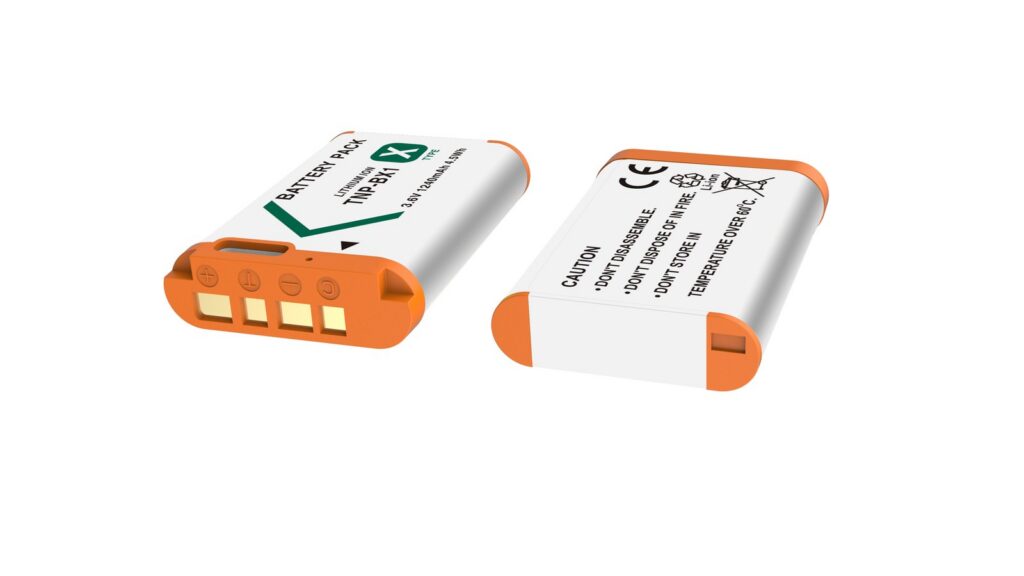
At ¥24.57 a pack, replacement is cheaper than the gamble. Keep two or three for the season. The specifications are on the NP-BX1 compatible battery page, with other packages under Sony NP-BX1 batteries.
FAQ
Can a pack be used after it has frozen?
Usually yes. Let it reach room temperature, charge and use it normally, and watch whether capacity has visibly dropped. If it still misbehaves when warm, or the shell has deformed, retire it.
Can I leave batteries in the car in winter?
Better not. Cold nights followed by a warm car interior mean repeated thermal cycling, which cells do not enjoy. A short stop is fine, an overnight is not.
Why will it not charge in the cold?
The protection board limits charging current at low temperature to avoid lithium plating. Move the pack to a room-temperature spot for an hour or two and it normally recovers.
Is slight swelling still usable?
No. Swelling means gas has formed inside and the structure has weakened. Even if it still delivers power, there is no reason to keep using it. Take it to battery recycling.