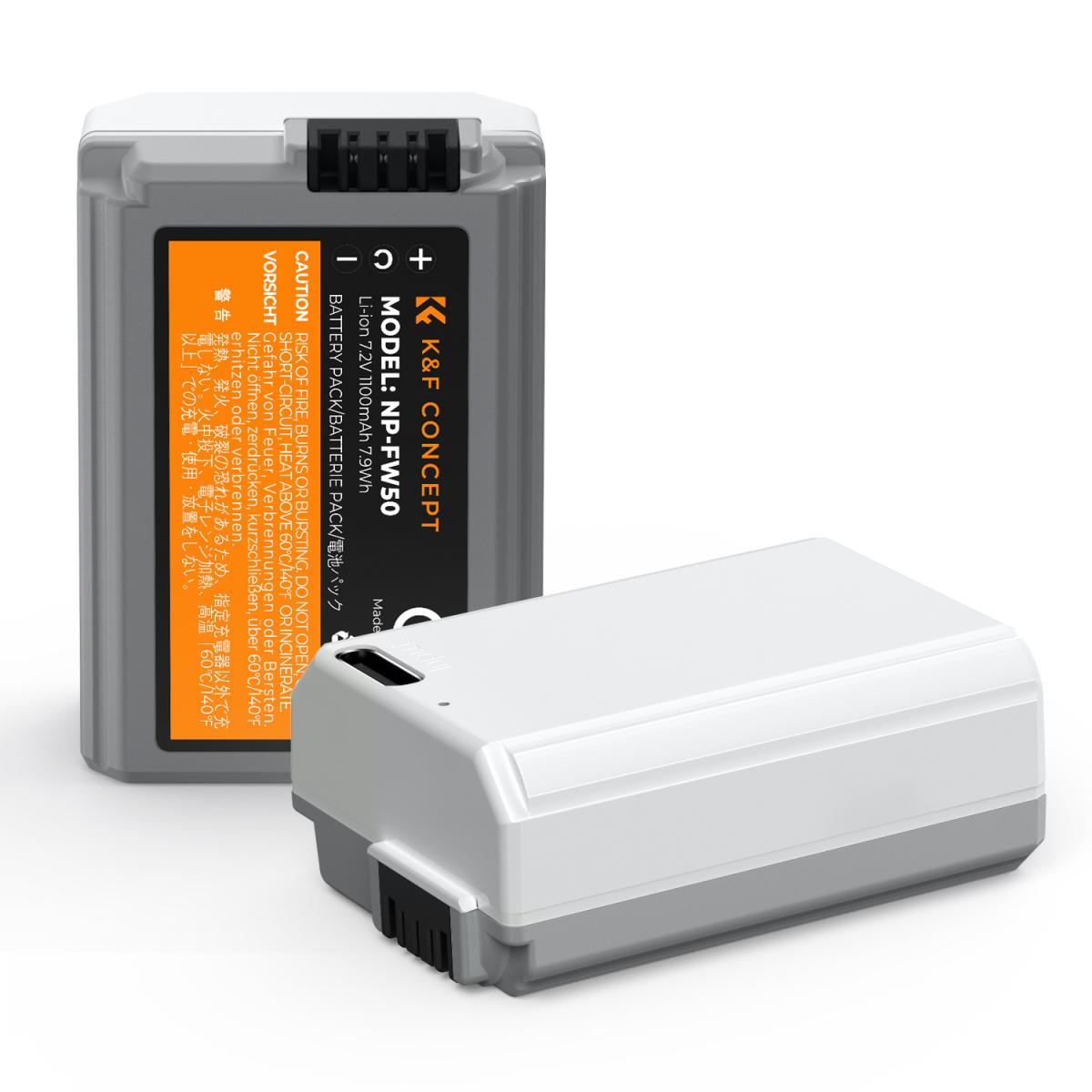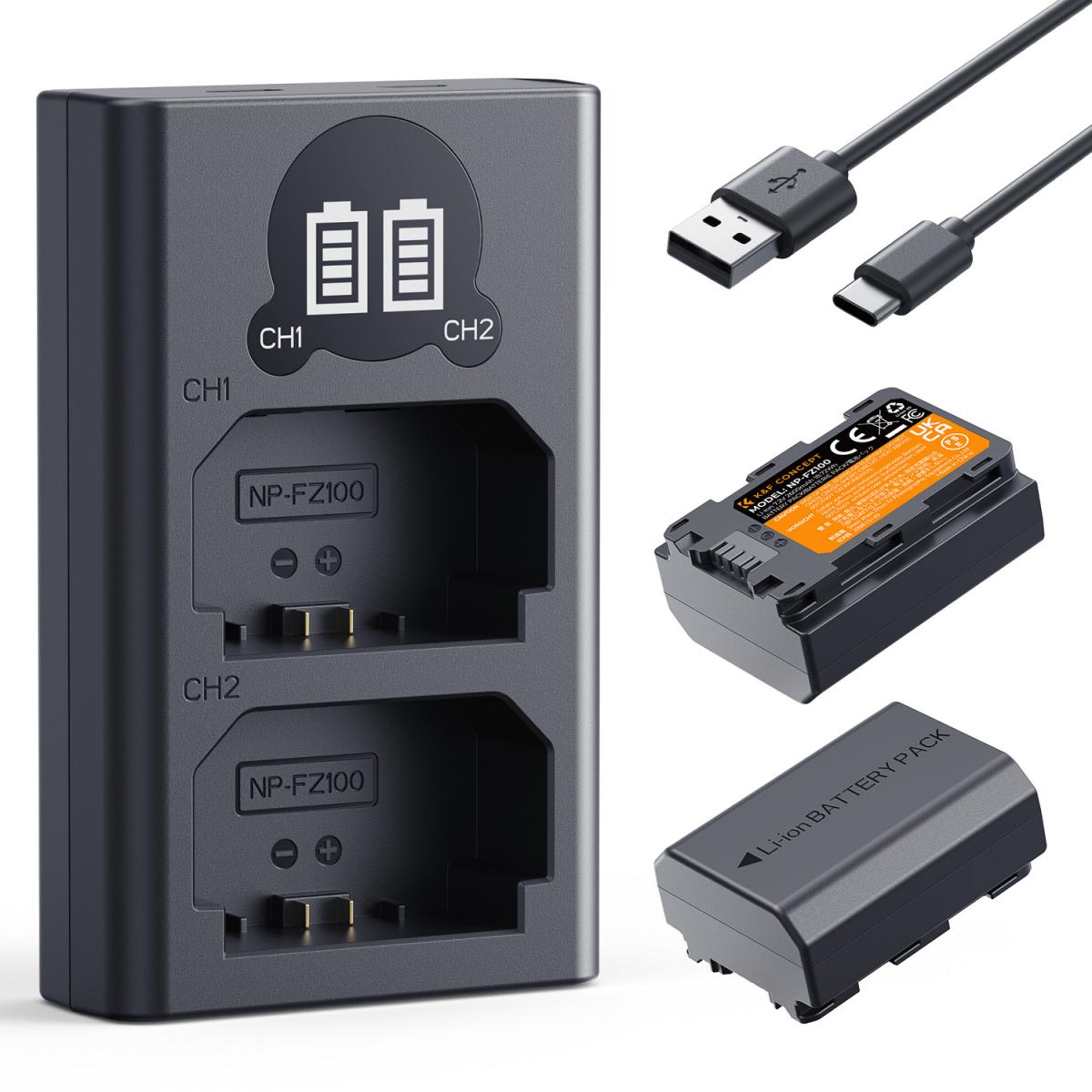
Short answer: a third-party NP-FZ100 works in the α7C II if three things hold: a decoding chip, a percentage that counts down honestly, and working in-body charging. A decoded pack feels like OEM. An undecoded cell jumps from 45 percent to shutdown, which is not what you want on a paid job.
Three kinds of “compatible”, very different results
| Type | Charge display | Behaviour | Verdict |
|---|---|---|---|
| Decoded standard pack | Percentage, step by step | Essentially OEM; occasional boot notice | Recommended |
| Undecoded bare cell | Four bars only | Can cut out at two bars | Avoid for paid work |
| USB-C direct-charge pack | Percentage, normal | Charges off-camera; slightly lower capacity | Good for travel |
The α7C II sits in the Alpha full frame line. A compact body has a smaller cell, so a spare matters more than on full frame, and review plus wireless transfer are the usual extra drains. We list 20 bodies on this format, so cells and chargers move between cameras.
Firmware notices, calibration and in-body charging
Certain firmware versions show a one-time message on power-up with a non-OEM cell, roughly “cannot guarantee the performance of this battery”. It is not an error and does not refuse to operate — confirm it and stills, video and playback all behave normally.
A different message matters: “battery not recognised” or an immediate 0 percent. That means the handshake failed at hardware level. Stop using that pack — not because it will damage the body, but because you cannot predict runtime during a shoot.
To test whether the percentage is honest, run one full discharge: fit the cell, record 1080p until the camera shuts down, and watch the curve. A healthy pack falls smoothly with the last ten percent slightly faster. A jump from 45 to 15, or death at 20, means the protection board is guessing.
After that discharge, charge it fully once and the body recalculates. Do this with every new battery, then every three to six months. There is no need for frequent deep cycling.
Four details worth checking before you buy
- A cable with data and power lines — charge-only cables cannot negotiate PD.
- A PD charger at 30W or more; below that the body falls back to slow charging.
- Protection circuitry in the pack; the cheapest unprotected cells may stall halfway or never reach full.
- Read rated, not just typical: 2400mAh rated over 2600mAh typical is the industry norm, and inflated typical figures are a red flag.
- Shell tolerance — it should slide in and latch cleanly; a pack that wobbles wears the body contacts.
- Cycle life — reputable packs state 80 percent capacity after 500 cycles.
- Over-charge, over-discharge and over-temperature protection are the safety floor.
FAQ
Can a third-party battery damage the α7C II?
A decoded pack with protection circuitry cannot. The risk sits with unprotected bargain cells: over-charging, swelling and leakage are what damage a compartment. Buy something that states capacity and cycle life.
Why does my pack only show four bars?
That pack has no decoding chip, so the body falls back to rough voltage bands. It can shut down without warning near the end, which makes it unsuitable for weddings or any shoot that cannot be interrupted.
One cell or a two-cell kit?
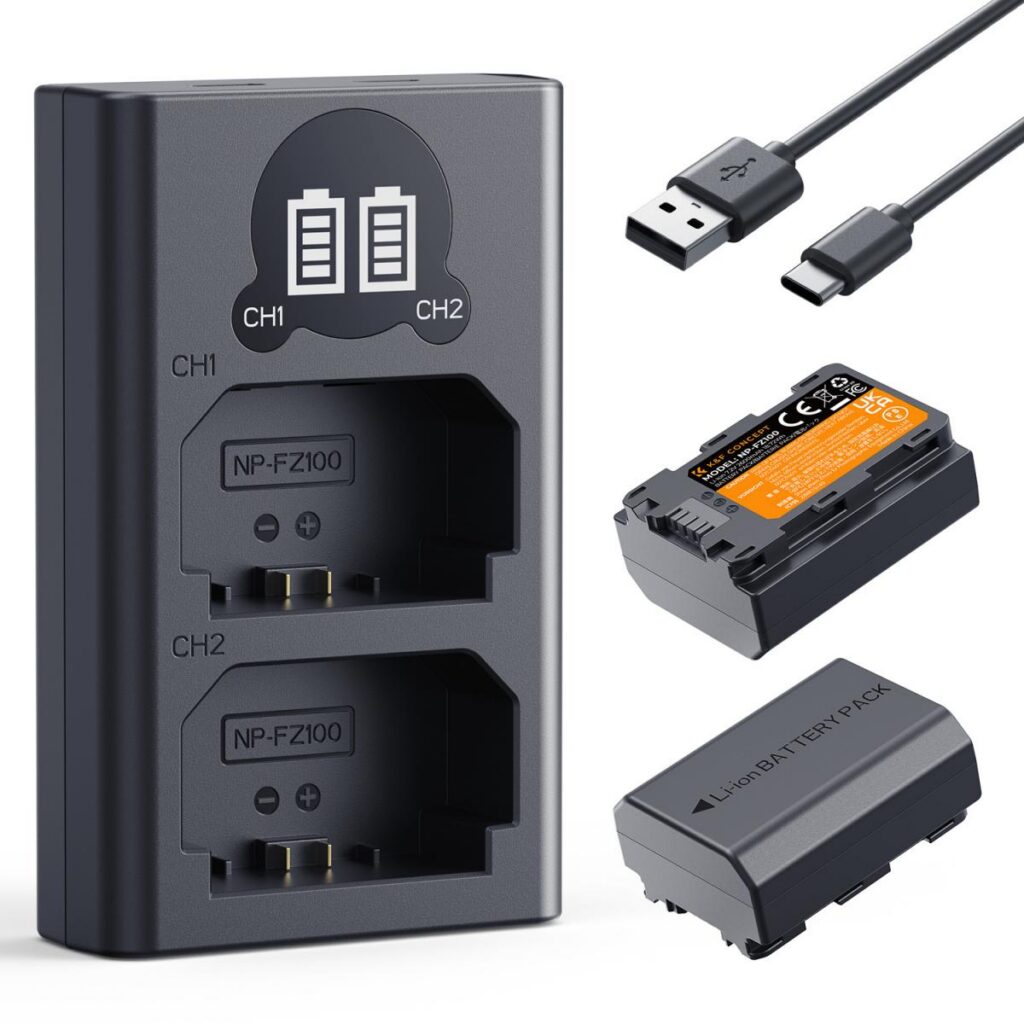
One is enough as a spare. If you shoot events regularly, the two-cell kit with a dual charger pays off: rotate during the day, both full overnight. Both are identical and seat correctly in the α7C II.
What to buy
If you simply need a spare, a single NP-FZ100 (2600mAh) is the cheapest way to fix it — the right format for this body at a fraction of the OEM price.
Shooting events regularly? Two cells plus a dual charger pay for themselves. The full NP-FZ100 range puts single cells, kits and chargers on one page, so you can pick by how you travel.
Still own a α7 IV? It takes the same cell, so the α7 IV battery page applies to you too — accessories swap in both directions.